Living in Calgary: the ultimate expat guide
Everything you need to know for a successful life in Calgary.
Calgary is a dynamic metropolis nestled in the foothills of the Canadian Rocky Mountains, offering a unique blend of urban sophistication and outdoor adventure. As Alberta's largest city with a population exceeding 1.5 million, Calgary has evolved from its origins as an agricultural and energy hub into a diversified economy attracting professionals from around the world. The city consistently ranks among the most livable cities globally, thanks to its high quality of life, strong job market, and proximity to world-class natural attractions. Calgary enjoys over 333 days of sunshine per year, making it Canada's sunniest major city.
Five Good Reasons to Move to Calgary
- No provincial sales tax – Alberta is one of the few Canadian provinces without a PST, meaning more money stays in your pocket.
- Thriving job market – Home to the headquarters of major energy, tech, and financial companies with competitive salaries.
- Access to the Rocky Mountains – Banff National Park is just one hour away, offering skiing, hiking, and breathtaking scenery.
- Cultural diversity – Over 240 ethnic origins and 165 spoken languages create a welcoming multicultural community.
- Lower cost of living – Housing and daily expenses are more affordable compared to Toronto or Vancouver.
Working in Calgary: Career Opportunities in Canada's Energy Capital
Calgary offers a robust job market driven by diverse industries, making it an attractive destination for skilled professionals. While the city remains Canada's energy capital, with headquarters of major oil and gas companies like Suncor Energy, Cenovus Energy, and TC Energy, the economy has diversified significantly into technology, finance, and clean energy sectors.
Key Industries and Employment Sectors
The energy sector continues to be a major employer, but Calgary is now recognized as a leader in the global energy transition and cleantech innovation. The city's startup ecosystem is valued at over USD 5.2 billion, with expectations of 1,000 new tech companies by 2030. Other growing sectors include aviation, film and television, fintech, and life sciences. Calgary companies are leading the USD 20 billion digital transformation spend in Alberta through 2024.
Work Permits and Immigration
Foreign nationals typically need a work permit to work in Canada. The main pathways include the Express Entry system (Federal Skilled Worker, Canadian Experience Class, Federal Skilled Trades), employer-sponsored Labour Market Impact Assessment (LMIA) permits, and provincial nomination through the Alberta Immigrant Nominee Program (AINP). The Express Entry system uses a points-based Comprehensive Ranking System (CRS) evaluating language skills, education, work experience, and age.
The following table provides key employment indicators for the Calgary region:
Unemployment Rate (2025) | 7.6% |
Average Annual Salary | CAD 64,600 |
Average Hourly Wage | CAD 38.50 |
Sources: Government of Canada Job Bank, CareerBeacon

Working in Calgary
If you're planning to move to Calgary, finding a job will be one of your top priorities. Expat.com has a few tips to help you in your search.
Higher Education in Calgary: World-Class Universities and Programs
Calgary is home to several respected post-secondary institutions offering diverse programs for international students. The city's universities are known for their research excellence, particularly in energy, engineering, and health sciences, providing excellent pathways to permanent residency through the Post-Graduation Work Permit Program (PGWP).
Major Universities and Colleges
The University of Calgary (UCalgary) is the city's flagship institution, ranked among the top 200 universities globally by QS World University Rankings 2025. It offers over 250 undergraduate and graduate programs and is home to more than 6,300 international students from 141 countries. UCalgary is recognized as Canada's top startup creator, having launched over 90 companies. Mount Royal University offers undergraduate degrees and applied programs with a focus on teaching excellence. SAIT Polytechnic provides career-focused technical education with strong industry connections.
Tuition Fees and Admission
International undergraduate tuition at the University of Calgary ranges from CAD 26,849 to CAD 38,734 per year depending on the program. Graduate tuition varies from CAD 6,270 to CAD 84,085 annually. Admission typically requires a minimum GPA of 3.0 (approximately 85%) and English proficiency scores such as IELTS 6.5 or equivalent. The university offers over CAD 17 million annually in scholarships, bursaries, and prizes.
Sources: University of Calgary, SAIT Polytechnic
Schools for Children: Education Options for Expat Families
Calgary offers excellent educational options for children of all ages, from public schools to private international institutions. The city's school system is well-regarded, with several schools ranking among the top in Alberta according to the Fraser Institute.
Public School System
The Calgary Board of Education (CBE) operates the public school system, offering free education to Canadian citizens and permanent residents. International students can also enroll but must pay tuition fees of approximately CAD 13,000 per year. The public system includes French immersion programs and specialized arts and science schools. The Calgary Catholic School District provides an alternative public option with a faith-based curriculum.
International and Private Schools
For families seeking international curricula, Calgary offers several options. The Calgary French & International School (CFIS) provides full French immersion from preschool to Grade 12, with the International Baccalaureate (IB) Diploma Programme. CFIS has been ranked the #1 French school and #1 high school in Alberta by the Fraser Institute 2024. Tuition is approximately CAD 17,600 per year. The Lycée international de Calgary offers a bilingual French-Canadian curriculum. Other private schools include Webber Academy, Rundle College, and various Montessori and specialized programs.
Sources: Calgary Board of Education, Calgary French & International School
Housing and Neighbourhoods: Where to Live in Calgary
Calgary's housing market offers diverse options across its four quadrants: Northwest, Northeast, Southwest, and Southeast. The rental market has recently shifted in favor of tenants, with vacancy rates rising to 4.8% in late 2024, providing more choices and competitive pricing.
Popular Neighbourhoods for Newcomers
Beltline is Calgary's most vibrant urban neighbourhood, located just south of downtown with excellent walkability, restaurants, and nightlife—ideal for young professionals. Kensington offers an eclectic mix of boutique shops, cafés, and galleries with a trendy, village-like atmosphere. Brentwood near the University of Calgary is perfect for families and students, with good schools and CTrain access. Bridgeland combines historic charm with modern amenities and is just minutes from downtown. For suburban family living, Signal Hill, Lake Bonavista, and McKenzie Towne offer excellent schools, parks, and community amenities.
Rental Prices
Calgary's rental market has seen price moderation in 2025. The following table shows average monthly rents:
One-bedroom apartment | CAD 1,567 – CAD 1,700/month |
Two-bedroom apartment | CAD 2,000 – CAD 2,400/month |
Three-bedroom house | CAD 2,100 – CAD 3,000/month |
Sources: CMHC, Rentals.ca
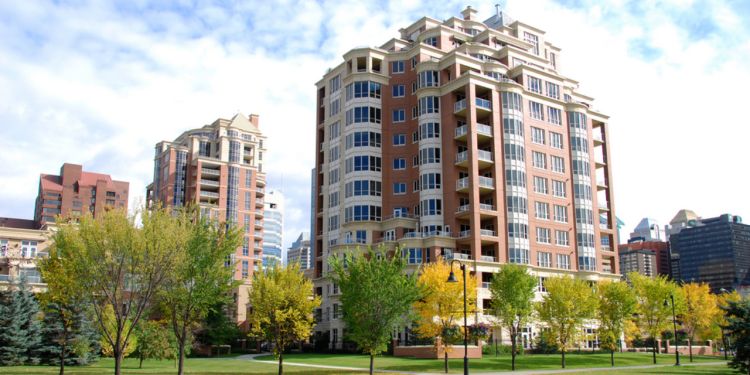
Accommodation in Calgary
Here are some tips to assist you in finding accommodation in Calgary. It's advisable to familiarize yourself with the area and explore the ...
Leisure, Culture and Things to Do in Calgary
Calgary offers a rich cultural scene and endless recreational opportunities, from world-class festivals to outdoor adventures in the nearby Rocky Mountains. The city transforms during major events, particularly the famous Calgary Stampede.
Festivals and Events
The Calgary Stampede, held every July, is the city's signature event—a 10-day rodeo, exhibition, and festival attracting over one million visitors annually. Known as "The Greatest Outdoor Show on Earth," it features rodeo competitions, chuckwagon races, concerts, and First Nations exhibitions. The city also hosts the Calgary Folk Music Festival, Sled Island Music Festival, Calgary International Film Festival, and numerous cultural celebrations throughout the year.
Museums and Attractions
The Glenbow Museum showcases Western Canadian art and history. Studio Bell, home of the National Music Centre, celebrates Canada's musical heritage. The TELUS Spark Science Centre offers interactive exhibits for families. Heritage Park Historical Village is one of Canada's largest living history museums. The Calgary Zoo (Wilder Institute) features animals from around the world and conservation programs.
Outdoor Recreation
Calgary is a gateway to outdoor adventure. Banff National Park is just 90 minutes away, offering skiing at resorts like Lake Louise and Sunshine Village, plus hiking, kayaking, and wildlife viewing. Within the city, Fish Creek Provincial Park is one of the largest urban parks in North America. Nose Hill Park offers panoramic views of the Rocky Mountains. The Bow River pathway system provides over 800 kilometers of trails for cycling, running, and walking.
Sources: Calgary Stampede, Tourism Calgary
Daily Life in Calgary: Transportation and Lifestyle
Daily life in Calgary combines North American convenience with a friendly, community-oriented atmosphere. The city is known for its safety, cleanliness, and access to outdoor activities year-round, despite cold winters with temperatures dropping to -15°C to -25°C.
Public Transportation
Calgary Transit operates an extensive network of buses and the CTrain light rail system with two lines (Red and Blue). The downtown core has a free fare zone making it easy to get around the city center. As of 2025, fares are CAD 3.70 for a single adult ticket (valid for 90 minutes), CAD 118 for an adult monthly pass, and CAD 85 for youth. Children 12 and under ride free. The My Fare app allows mobile ticketing. However, Calgary remains a car-centric city, and many residents find having a vehicle essential for accessing suburbs and recreational areas.
Lifestyle and Culture
Calgarians enjoy a work-hard, play-hard lifestyle with easy access to the Rocky Mountains for skiing, hiking, and camping. The city has an extensive pathway network spanning over 1,000 kilometers for walking, running, and cycling. The culture is friendly and informal, with a strong entrepreneurial spirit. English is the primary language, though the city's multiculturalism means many languages are spoken. Healthcare is publicly funded through the Alberta Health Care Insurance Plan (AHCIP), covering doctor visits and hospital stays, though dental and vision care require private insurance.
Sources: Calgary Transit, City of Calgary
Cost of Living in Calgary: Budgeting for Your New Life
Calgary offers a relatively affordable cost of living compared to other major Canadian cities like Toronto and Vancouver. The absence of provincial sales tax (PST) in Alberta means you only pay the 5% federal GST on purchases, resulting in significant savings.
Monthly Budget for a Single Person
The following table outlines estimated monthly expenses for a single person renting in Calgary:
Category | Monthly Cost (CAD) |
Rent (1-bedroom apartment) | 1,600 – 1,700 |
Utilities (electricity, heating) | 150 – 200 |
Groceries | 350 – 500 |
Transportation (monthly pass) | 118 |
Health insurance (private) | 100 – 150 |
Total (excluding leisure) | 2,318 – 2,668 |
Monthly Budget for a Family of Four
Category | Monthly Cost (CAD) |
Rent (3-bedroom apartment) | 2,400 – 3,000 |
Utilities | 250 – 350 |
Groceries | 900 – 1,200 |
Transportation (2 passes + car) | 500 – 700 |
Private school fees (optional) | 1,200 – 1,500 |
Health insurance (family) | 300 – 400 |
Total | 5,550 – 7,150 |
Sources: Numbeo, Calgary Transit
In Short
Calgary offers an exceptional quality of life for newcomers seeking career opportunities, natural beauty, and a welcoming community. With its diversified economy, affordable cost of living compared to other major Canadian cities, and proximity to the Rocky Mountains, the city provides a unique balance of urban amenities and outdoor adventure. The absence of provincial sales tax, strong job market, and excellent schools make Calgary particularly attractive for families and professionals alike. Whether you're drawn by career prospects in energy and technology, world-class universities, or the promise of skiing in Banff on weekends, Calgary has something to offer everyone.
Ready to start your Calgary adventure? Join the Expat.com Calgary forum to connect with fellow expats, ask questions, and get advice from those who have already made the move!
We do our best to provide accurate and up to date information. However, if you have noticed any inaccuracies in this content, please contact us.