Living in Cyprus: the ultimate expat guide
Everything you need to know for a successful life in Cyprus.
Cyprus is a sunny Mediterranean island with modern cities, charming villages, and a stunning coastline. It offers a relaxed lifestyle, EU benefits, and mild weather year-round. Most expats live in the southern part of the island, where the Republic of Cyprus provides stable government services, healthcare, schools, and legal protections. The northern part of Cyprus operates under a separate administration and is less recognized internationally. While it has its own communities and culture, most expats choose the south of Cyprus for easier access to public services, legal security, and international connections.
Cyprus is a popular choice for retirees, drawn by its safe environment, sunny climate, relatively affordable cost of living, and attractive residency options compared to much of Europe. At the same time, families, remote workers, and professionals are equally drawn to the island’s high quality of life and welcoming atmosphere. The country's diverse international community, with expats from more than 60 countries, creates a distinctly global feel and makes it an attractive choice for starting a new life abroad.
Five compelling reasons to live in Cyprus
- Modern services and amenities: Reliable healthcare, schools, shopping, and leisure facilities, particularly in cities and coastal towns.
- Welcoming expat environment: Around 22% of residents are foreign-born or foreign citizens, making it easy to connect with other expats.
- Sun, sea, and natural beauty: Long summers, mild winters, beaches, mountains, and forests offer plenty of outdoor activities.
- Easy relocation for many: EU citizens enjoy freedom of movement, and non-EU citizens can obtain residence permits.
- Favorable tax environment for expats and retirees: Incentives for foreign residents, non-domiciled individuals, and pensioners make it financially attractive.
Facts and figures
Population (2023) in the government-controlled area | 966,400 |
Expat population (2021) | 193,300 |
Common expat countries (2021) | Russia, Greece, the UK, Syria, and Romania |
Typical temperatures | Summer: 24°C – 38°C (75°F – 100°F+), winter: 7°C – 16°C (45°F – 61°F) |
Data correct as of December 2025.
Sources:
Republic of Cyprus — population and Cyprus Census 2021 — expat population and countries.
Formalities and visas in Cyprus
Moving to Cyprus is generally straightforward, but the rules depend on your nationality. Citizens of the EU and European Free Trade Association (EFTA) countries (Iceland, Liechtenstein, Norway, Switzerland) can stay for up to 90 days without a visa, while most non-EU nationals need a short-stay visa before arrival. Applications are typically handled through a Cyprus embassy or consulate, as complete online processing options are limited.
For more extended stays, Cyprus offers several residence options. Expats can apply for temporary or permanent residence, digital nomad permits, family reunification, or investment-based residency. Retirees often use temporary residence or Category F permits, provided they can prove a steady income or savings. These permits allow you to legally live, work, or retire on the island, giving expats the freedom to enjoy everything Cyprus has to offer — from career opportunities to sun-soaked relaxation.
What you need to know
• No official retirement visa, but temporary residence and Category F permits work ideally for retirees.
• Non-EU residents must show proof of income, accommodation, and health insurance.
• Applications are usually submitted at a Cyprus embassy or visa center; online options are limited.
• Overstaying a short-stay visa is illegal and can lead to fines or entry bans.
• Investment-based residency is available for those who meet the financial thresholds, offering a faster route to long-term stay.
• Popular permit types: short-stay visas, temporary residence, permanent residence, digital nomad permits, and family reunification.
Useful link:
🔍To learn more
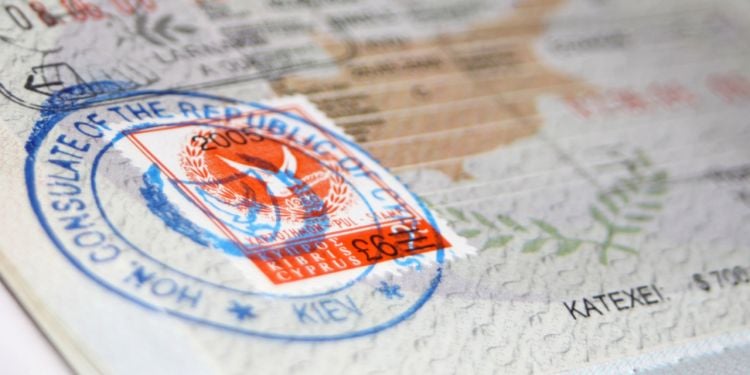
General visa requirements for Cyprus
If you are planning on a short-term stay in Cyprus, you should know beforehand whether or not you ...

Permanent residency and citizenship in Cyprus
The complexity of staying long-term in Cyprus (for more than 90 days) varies greatly depending on ...
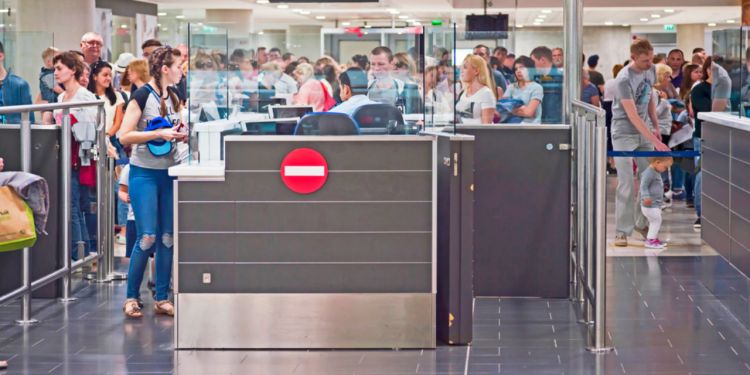
Travelling to Cyprus
Despite being a small (and partly occupied) country, travelling to the island of Cyprus is quite straightforward. Located at the southwest corner of ...
Working in Cyprus
Cyprus’s job market is active and growing, with shortages in key roles such as healthcare, hospitality, and professional services creating opportunities for skilled expats. Job openings across sectors increased by more than 16 % in the second quarter of 2025 compared with the same period last year, indicating that employers are struggling to find local workers with the right skills. Roles in IT, engineering, data science, and green technologies are especially in demand, making Cyprus a strong destination for internationally qualified professionals.
Overall, Cyprus offers a dynamic, service-driven job market, and employers value strong English skills, relevant qualifications, and practical experience. In addition to its Mediterranean lifestyle, many expats are drawn to Cyprus for its reliable work–life balance, EU connectivity, and international business environment. The market blends local talent with a growing need for international skills, creating openings for expats who bring experience and flexibility.
In-demand jobs
• Tourism and hospitality — year-round hotel, restaurant, and travel roles.
• Finance and professional services — banking, corporate services, anti-money laundering compliance.
• Shipping and maritime — ship management, logistics, and legal services.
• ICT and tech — software, cybersecurity, digital services, and remote-friendly jobs.
• Construction and real estate — building, renovation, and property services.
• Healthcare and education — private medical services and international schools.
• Startups and digital businesses — fintech, green tech, consulting, e-commerce.
Facts and figures
Unemployment rate (Q3 2025) | 4.1% |
Biggest employer by sector | Services: tourism and hospitality, finance, retail, and professional services. |
Employment rate (20-64) | 81.6% |
Data correct as of December 2025.
Sources:
Government of Cyprus — Labour force survey 3rd quarter 2025
🔍To learn more
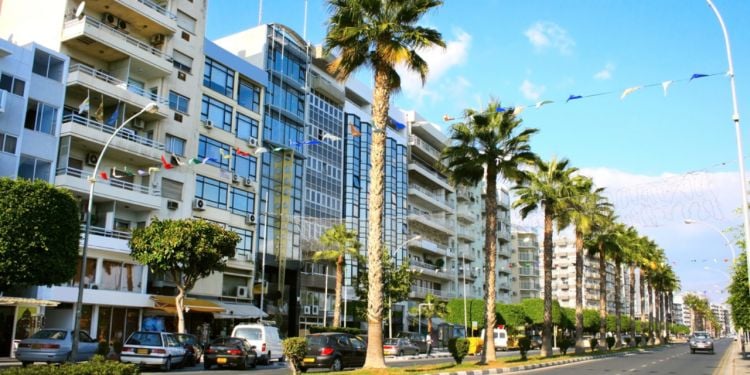

Studying in Cyprus
Cyprus has developed a strong reputation for quality higher education, offering a mix of public and private universities across the island. Many courses are taught in English, and institutions are praised for modern facilities, robust research output, and internationally recognized degrees. The higher-education system is relatively compact but comprehensive, giving students access to both traditional programs and emerging fields in a convenient Mediterranean setting. Tuition and living costs are generally lower than in many Western European countries, making Cyprus a cost-effective choice for both local and international students.
International students are a growing presence in Cyprus, representing roughly 22% of tertiary-level enrolments in 2023. Popular degree programs include Business Administration, Law, Health Sciences, Education, and Engineering/Technology. Non-EU students generally find the visa process straightforward, requiring proof of admission, finances, and health insurance. International students in Cyprus come from the EU, the Middle East, and Asia, attracted by English-language programs, reasonable costs, and a friendly, accessible environment for study.
Top universities in Cyprus
University of Cyprus (Nicosia): The country’s flagship public university, known for strong research output and a wide range of English-taught programs.
European University Cyprus (Nicosia): A private university with international accreditation, popular among expats for its business and IT degrees.
Cyprus University of Technology (Limassol): Offers practical, career-oriented programs in engineering, science, and applied research fields.
Tips:
- Accommodation options: Many universities provide dormitories; private rentals are also widely available in nearby towns.
- Student health coverage: Ensure your health insurance covers your stay; some universities offer health insurance packages.
- Work while studying: Check visa rules for part-time work; some programs allow limited employment for non-EU students.
- Student support services: Most universities have dedicated offices for international students that offer orientation, counselling, and English-language support.
- Transportation: Campus locations are generally close to public transport links, making commuting easy for students living off campus.
🔍To learn more
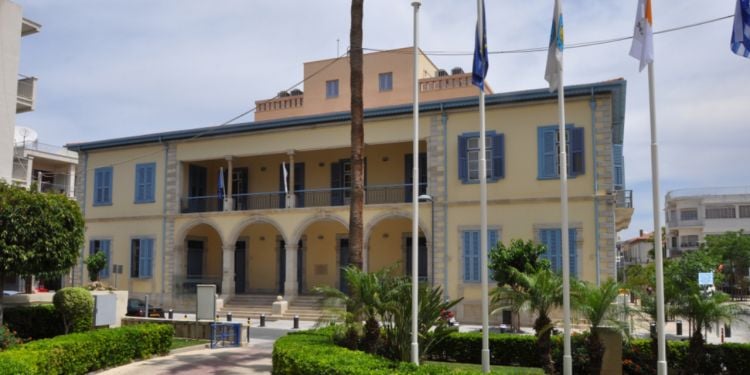
Study in Cyprus
Cyprus is home to world-class universities and university colleges twelve of which offer programmes and courses taught in English. Combine that with ...
Retiring in Cyprus
Cyprus attracts retirees from across Europe, especially the UK, Greece, Russia, and other EU countries. Many choose the island for its warm climate, relaxed lifestyle, safe environment, and Mediterranean charm. With good healthcare, modern infrastructure, and friendly expat communities, it’s easy to see why Cyprus is a top retirement destination.
Buying property
Both EU and non-EU retirees can buy property in Cyprus. Retirees do not need to purchase a home to obtain residency, but many choose to do so for long-term stability and a permanent base. However, buying property in Cyprus does not exempt you from meeting the visa’s financial requirements, and non-EU buyers may need government approval before purchasing, depending on the type and number of properties involved.
Where retirees live in Cyprus
• Paphos — Quiet coastal town, popular for relaxed retirement and seaside living.
• Limassol — Urban amenities, good infrastructure, vibrant expat community.
• Larnaca — Affordable housing, convenient transport links, laid-back lifestyle.
• Smaller coastal towns — Many retirees prefer towns like Protaras or Polis for tranquility and lower living costs.
Finance and banks in Cyprus
Banking in Cyprus is modern, primarily digital, and expat-friendly. Most major banks now offer complete online services, remote onboarding, and mobile apps, so you can start opening an account even before arriving and complete verification once in-country. The system is well-regulated following reforms after the 2013 financial crisis, providing stability and safety for personal and business accounts. While branch networks and ATMs have decreased due to the shift to digital banking, towns and cities still have adequate coverage, and debit/credit cards are widely accepted for everyday transactions.
For expats, a basic current account with online banking and a debit card is usually sufficient for salary payments, rent, bills, and daily expenses. Those who need to make international transfers or manage multiple currencies should consider an account with international transfer capabilities. Some banks may require additional documentation, such as proof of income, source of funds, or tax residency details, especially if you come from a high-risk jurisdiction or plan high-volume transactions. Overall, Cyprus banking is accessible, secure, and increasingly convenient for newcomers.
Tips:
Opening hours: Branches may close earlier than you expect (often 2–3 pm); plan visits accordingly.
ATMs and cash: While ATMs are plentiful in urban areas, rural towns may have limited access; carry some cash for convenience.
Currency exchange: Most banks offer competitive exchange rates for EUR to other currencies; compare before transferring large sums.
Banking apps: Download your bank’s mobile app early — it allows contactless payments, real-time alerts, and bill management.
Credit history: If you plan to take out a loan or mortgage, establishing a local credit history quickly is helpful.
🔍To learn more


Health care in Cyprus
Expats in Cyprus benefit from a surprisingly modern healthcare system that blends well-run public hospitals with private clinics offering fast, English-speaking care. The General Healthcare System (GHS) provides free public healthcare to all legal residents: EU/EEA/Swiss citizens register after arrival, while non-EU expats need a long-stay visa or residence permit and must hold health insurance to access services.
Public hospitals and clinics in Cyprus are generally well-equipped, though wait times for specialists can be longer than in private facilities. Many expats use private clinics for faster appointments, English-speaking medical staff, and state-of-the-art facilities. Overall, Cyprus ranks highly in the region for healthcare quality, so most routine care can be managed on the island without needing to travel abroad.
However, private health insurance is highly recommended for expats, even if you qualify for the public system. Having private health coverage allows faster access to specialists, elective procedures, and private hospitals, which are plentiful in major cities. For everyday care, general practitioners (GPs) and pharmacies are widely available, making it easy to get prescriptions, vaccinations, or routine check-ups.
Tips:
Finding a GP: General practitioners are typically easy to find in cities and larger towns, though rural areas may have fewer options.
Pharmacies: Pharmacies are widespread, well-stocked, and regulated; many staff speak English.
Hospitals: Cyprus has several major public hospitals (Nicosia, Limassol, Larnaca, Paphos) and numerous private hospitals and clinics for specialist care.
Emergency services: Ambulance and emergency care are reliable; expats should know the local emergency number (112) and the nearest facilities for peace of mind.
Useful links:
General Healthcare System (GHS)
🔍To learn more

The healthcare system in Cyprus
If you are thinking of moving to Cyprus, then understanding how the healthcare system works, and if you are entitled to healthcare, is crucial. The ...
Education and schools in Cyprus
Cyprus offers a solid and flexible education system that works well for expat families, with options ranging from free public schooling to well-established private and international schools. Public schools are state-funded, generally well-organized, and open to legally resident foreign children, though teaching is primarily in Greek. As a result, many expat families opt for private or international schools, particularly when they want English-language instruction or continuity with a UK or international curriculum. Cyprus has a strong international school presence, especially around Limassol on the south coast, offering programs such as IGCSEs, A-levels, and the International Baccalaureate (IB).
Schooling in Cyprus is compulsory. Children typically start primary school at age five and move on to Gymnasio (lower secondary) at around age 12. Upper secondary education (Lyceum or technical education) runs from ages 15 to 18 and is optional, though widely attended. Public education is free for residents, while private and international schools charge fees that vary by curriculum and location.
School holidays
The school year in Cyprus generally runs from early September to late June. Students have a long summer break from late June to early September, along with shorter holidays at Christmas and Easter (usually one to two weeks in spring). Schools also close for national and religious public holidays throughout the year. While exact dates can vary slightly between public, private, and international schools, the overall calendar is consistent nationwide and easy for expat families to plan around.
Useful link:
Accommodation in Cyprus
Cyprus's housing market blends Mediterranean lifestyle with housing choices that won't break the bank. Rents and property prices have risen in recent years, especially where expats, retirees, and foreign buyers are active. And although things can get competitive in popular cities and coastal areas, you'll often find better value for money compared with many Western European markets.
Most expats in Cyprus rent first. The rental process is relatively straightforward: you sign a lease, pay a deposit (often one or two months' rent), and show ID and proof of address. Over time, many expats opt to purchase property in Cyprus, with eligibility and conditions dependent on their nationality.
Tips:
• Start early and use local agents: Popular cities like Limassol, Paphos, and Nicosia can be competitive, and many listings aren't online.
• Check lease terms carefully: Most leases run for one year, deposits are two to three months' rent, and confirm which utilities are included.
• Many rental units are semi-furnished (kitchen appliances, basic furnishing) rather than fully furnished. Always ask what's included before signing.
• Non-EU buyers need official permission to buy: You must request approval from the Council of Ministers of Cyprus after signing a purchase agreement.
• Non-EU citizens are often limited to one or two residential units, or a land plot not exceeding a specific size.
• Buy through a local company for flexibility: Some expats use a local company to buy multiple properties or land without individual owner restrictions.
• Budget for extra costs when buying: Expect stamp duty, transfer fees, legal fees, possible VAT (on new properties), and other closing costs.
🔍To learn more

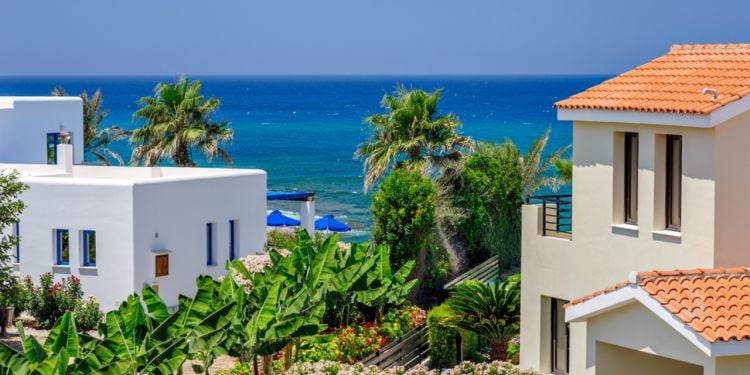
Planning your move to Cyprus
Cyprus has modern customs and import procedures that many expats find relatively easy to navigate. If your household goods are used and owned by you for over a year, and you ship them shortly after you relocate, you can often bring them in duty-free. That said, there are a few things to keep in mind. Shipments from outside the EU may be inspected on arrival, and new items may be subject to duties or VAT. Depending on where you ship from, door-to-door transit times by sea typically take a few weeks; air freight is faster but much more expensive. With a bit of planning, good packing, and correct paperwork, most expats find the process straightforward — items tend to arrive safely if you use a reputable moving company, declare properly, and follow customs rules.
Tips:
• Declare everything clearly and submit a complete inventory and packing list when you ship, which will make customs checks smoother and reduce the risk of delays or fines.
• Ship only used household goods and personal effects you’ve owned for at least 12 months, as this helps you qualify for duty-free import.
• Use a reliable international moving company and consider adding insurance — this helps protect against loss or damage in transit.
• Be prepared for inspection at port or residence — especially for shipments from outside the EU — and allow a few extra days for customs clearance just in case.
Useful link:
Cyprus Customs and Excise Department
🔍To learn more


Leisure in Cyprus
Cyprus is a paradise for leisure lovers, offering a mix of sun-soaked beaches, historic sites, and a lively cultural scene. Outdoor enthusiasts can explore stunning hiking trails in the Troodos Mountains, cycle along scenic coastal roads, or sail the Mediterranean. The island’s warm climate allows year-round outdoor activities, from swimming and sunbathing to golf and water sports. Towns and cities buzz with cafes, restaurants, and nightlife, while local festivals celebrate Cypriot music, dance, and cuisine.
Beyond the coast, Cyprus is famous for its rich history and heritage. Expats can visit ancient ruins, Byzantine churches, and medieval castles, or explore charming villages for traditional crafts and markets. Wine and gastronomy tours are a highlight, with local tavernas serving fresh Mediterranean dishes. For a relaxing weekend, spas, wellness retreats, and vineyard visits offer a perfect mix of indulgence and discovery.
Popular leisure activities in Cyprus
• Beach and water sports — swimming, sailing, jet skiing, windsurfing
• Hiking and mountain biking in the Troodos and Kyrenia ranges
• Golfing at scenic courses around Limassol and Paphos
• Wine and gastronomy tours in countryside vineyards
• Exploring archaeological sites, castles, and ancient ruins
• Visiting traditional villages and local markets
• Festivals and cultural events celebrating music, dance, and art
• Wellness and spa retreats along the coast
🔍To learn more

Leisure activities in Cyprus
One of the reasons an increasing amount of expats chooses Cyprus for their new home is the relaxed ...

Dining out in Cyprus
Cypriot culture is very closely intertwined with Cypriot gastronomy. The Mediterranean view of food ...

Culture and traditions in Cyprus
If you consider the fact that the island has been inhabited since the Neolithic era, you understand ...
Everyday life in Cyprus
Daily life in Cyprus is shaped by Mediterranean habits — a slower pace, long lunches, late dinners, and plenty of socializing. Shops, cafes, and restaurants are central to life, while weekends often revolve around family, beach outings, and local festivals. Understanding local customs and showing respect for traditions makes integration easier.
Life in Cyprus is relaxed and safe, making it appealing to expats of all ages. The island enjoys a low crime rate, with most incidents being petty theft rather than violent crime. Solo female expats generally report feeling secure, particularly in towns and tourist areas. Neighborhoods are friendly, and local communities are welcoming to newcomers.
What you need to know
• Local customs: Greeting with a handshake or cheek kiss in social settings; respect for religious holidays and community events is expected.
• Lifestyle: Emphasis on family, food, and outdoor living; relaxed Mediterranean rhythm.
• Shopping and services: Supermarkets, local markets, and small shops are readily available; many services open later in the evening.
• Transportation: Cars are common; public transport is limited outside major cities.
• Safety: Low crime, mostly petty theft; safe for women and families.
🔍To learn more
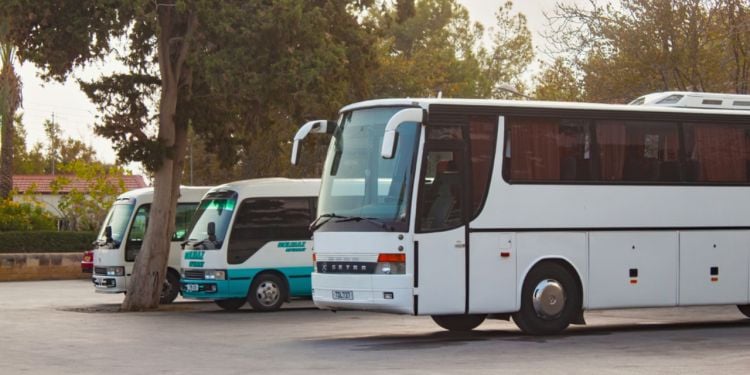
Travelling around Cyprus
Cyprus is a small island, so distances between places are easily manageable. The best way for you to get around is by car, a rental car or bus. There ...

Phones, internet and mail in Cyprus
Although internet speeds are not yet as fast as in other EU countries, in the last few years the internet infrastructure in Cyprus has improved ...

The Cypriot Lifestyle
Cyprus has been through a lot as a nation. Throughout the adversities, its people have developed ...
Cost of living in Cyprus
Living in Cyprus offers a moderate cost of living compared with Western Europe — it’s generally cheaper than the UK, Germany, or France, but more expensive than some Eastern European and nearby Mediterranean countries. Housing can be pricey, especially in popular coastal towns like Limassol or Paphos, while groceries, transport, and dining out remain reasonably affordable. Utilities and imported goods tend to be slightly higher than the regional average. Still, the overall lifestyle balance — good infrastructure, modern amenities, and a relaxed Mediterranean pace — makes Cyprus an attractive option for expats.
Here is a general breakdown of average monthly expenses for different household types in Cyprus.
Monthly expenses
Single expat (per month) | Family of four (per month) | |
Rent (city center) | 1-bed: €658 (USD 710) | 3-bed: €1,353 (USD 1,460) |
Rent (suburbs) | 1-bed: €568 (USD 615) | 3-bed: €1,084 (USD 1,170) |
Utilities (electricity, water, garbage) | €187 (USD 202) | €300–€350 (USD 325–380) |
Public transport | €50 (USD 54) | €80–€100 (USD 85–108) |
Groceries | €250–€350 (USD 270–380) | €700–€900 (USD 756–972) |
Dining out and entertainment | €100–€200 (USD 108–216) | €200–€300 (USD 216–324) |
Data correct as of December 2025
Source:
Outro
Cyprus offers expats a rare balance of lifestyle and practicality, combining a relaxed Mediterranean pace with modern infrastructure, reliable healthcare, and clear residency options for workers, retirees, and families alike. With a moderate cost of living compared to much of Western Europe, a favourable tax environment, and a wide range of places to live, it continues to attract people seeking a smoother transition abroad. To help you prepare, expat.com provides in-depth guides on Cyprus covering visas, housing, jobs, healthcare, schooling, and daily life, making it easier to research every step of your move. You can also join our Cyprus expat forum to ask questions, exchange tips, and hear firsthand experiences from people who have already made the move and settled on the island.
We do our best to provide accurate and up to date information. However, if you have noticed any inaccuracies in this content, please contact us.