Living in Houston: the ultimate expat guide
Everything you need to know for a successful life in Houston.
Houston, the fourth-largest city in the United States, offers a compelling mix of economic opportunity, cultural diversity, and affordable living. Located in southeastern Texas along the Gulf Coast, this sprawling metropolis serves as the energy capital of the world while also hosting the largest medical center on the planet. With a population exceeding 2.3 million in the city proper and over 7 million in the metropolitan area, Houston attracts professionals, families, and students from around the globe. The city's lack of state income tax, combined with a cost of living 6% below the national average, makes it an attractive destination for those seeking career advancement without sacrificing financial stability.
5 Good Reasons to Move to Houston
- Thriving job market – Houston added over 60,000 jobs in 2024 across energy, healthcare, aerospace, and technology sectors.
- No state income tax – Texas does not levy a state income tax, allowing residents to keep more of their earnings.
- Affordable housing – Housing costs are 17% below the U.S. average, with diverse options from downtown lofts to suburban family homes.
- World-class healthcare – The Texas Medical Center employs over 73,000 people and offers access to cutting-edge medical care.
- Cultural diversity – Houston ranks as the most ethnically diverse major city in the U.S., with residents from over 145 countries.
Working in Houston
Houston's economy offers abundant opportunities across multiple sectors, with energy remaining the cornerstone of employment. The city is home to over 4,600 energy-related firms, including major corporations like ExxonMobil, Chevron, and Shell. Beyond oil and gas, the healthcare sector continues to expand rapidly, with the Texas Medical Center serving as the world's largest concentration of research and healthcare institutions. The Greater Houston Partnership forecasts the creation of 71,200 jobs in 2025, with healthcare, construction, and professional services leading growth.
Key Industries and Employers
The energy sector accounts for approximately 12% of total employment, while trade, transportation, and utilities represent 21% of jobs. Professional and business services contribute 16.5%, and healthcare and education account for nearly 14%. Major employers include Houston Methodist Hospital, Memorial Hermann Health System, and NASA's Johnson Space Center. The aerospace industry maintains a significant presence, with companies like Boeing and Lockheed Martin operating facilities in the region.
Work Permits and Employment
International workers typically require employer sponsorship for work authorization. The most common visa categories include the H-1B visa for specialty occupations requiring at least a bachelor's degree, and the L-1 visa for intracompany transferees. As of September 2025, new H-1B petitions require an additional $100,000 fee. The annual H-1B cap stands at 65,000 visas, plus an additional 20,000 for those with advanced degrees from U.S. institutions. Employers must file a Labor Condition Application with the Department of Labor before petitioning USCIS.
The following table provides key employment indicators for the Houston metropolitan area:
Unemployment Rate (2025) | 5.0% |
Average Hourly Wage | $31.87 |
Total Nonfarm Employment | 3.46 million |
Projected Job Growth (2025) | 71,200 jobs |
Sources: U.S. Bureau of Labor Statistics, Workforce Solutions, Greater Houston Partnership

Work in Houston
Houston is the biggest city in Texas, with a population of over 2.28 million people. The city was once primarily known for aerospace and energy ...
Higher Education and Universities in Houston
Houston hosts a diverse array of higher education institutions, from prestigious private universities to large public research schools. The city's proximity to major industries creates strong internship and employment pipelines for students, particularly in energy, healthcare, and aerospace. International students benefit from the region's multicultural environment and the practical experience opportunities available through the Texas Medical Center and energy corridor companies.
Top Universities
Rice University stands as Houston's premier private institution, consistently ranked among the top 20 universities in the United States. Located on a 300-acre campus adjacent to the Texas Medical Center and Museum District, Rice offers over 50 undergraduate majors across seven schools. Tuition and fees for the 2024-2025 academic year total approximately $65,475, though the university provides substantial need-based financial aid. Rice's student body includes representatives from over 113 countries.
The University of Houston serves as the city's largest public research university, enrolling over 46,000 students. Designated as a Tier One research institution, UH offers strong programs in business, engineering, and computer science. International students pay approximately $22,547 in annual tuition and fees, with total cost of attendance around $40,591. The university's acceptance rate stands at approximately 75%.
Admission and Tuition
International applicants to U.S. universities must typically demonstrate English proficiency through TOEFL or IELTS scores. Most institutions require secondary school transcripts, letters of recommendation, and personal statements. Graduate programs often require standardized tests such as the GRE or GMAT. Application deadlines vary by institution, with most fall semester deadlines falling between December and March.
Other notable institutions include Houston Baptist University, University of St. Thomas, and the Houston Community College system, which offers affordable pathways to four-year degrees. The Texas Southern University, one of the largest historically Black universities in the nation, provides additional options for higher education.
Sources: Rice University, University of Houston
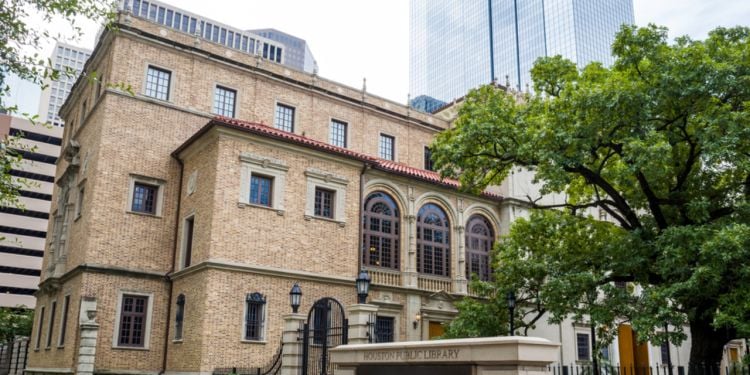
Study in Houston
If you picture desert landscapes, cowboys, cacti, and tumbleweeds when you think of Texas, you might be surprised to discover that Texas also ...
Schooling for Children in Houston
Families relocating to Houston will find a comprehensive range of educational options, from public schools to prestigious international institutions. The quality of schools varies significantly by neighborhood, making school district research an essential part of the relocation process. The Houston Independent School District (HISD) is the largest in Texas and seventh-largest in the nation, while several suburban districts consistently rank among the state's best.
Public and Private Schools
The Katy Independent School District and Fort Bend ISD are widely considered among the top public school systems in the Houston area. These districts offer magnet programs, advanced placement courses, and International Baccalaureate options. Public education in Texas is free for residents, though families may pay fees for extracurricular activities and supplies.
For international families seeking familiar curricula, the British International School of Houston provides education from Pre-K through 12th grade following the English National Curriculum and International Baccalaureate Diploma Programme. Annual tuition ranges from $13,612 to $37,250 depending on grade level. The school's 33-acre campus in Katy serves approximately 1,000 students representing 75 nationalities.
International and Bilingual Options
Houston's private school landscape includes numerous options for international families. The average private school tuition in Houston for 2024-2025 is approximately $26,896 per year, representing a 21% increase since before the pandemic. Notable institutions include St. John's School, The Kinkaid School, and Episcopal High School, all of which maintain strong college placement records.
Several schools offer bilingual or dual-language programs, including public options within HISD. Catholic schools provide more affordable private education, with average tuition around $20,761 annually, approximately 22% less than the overall private school average.
Sources: British International School of Houston, General Academic
Housing and Neighborhoods in Houston
Houston's housing market offers remarkable variety and value compared to other major U.S. metropolitan areas. The city's lack of zoning laws has created diverse neighborhoods with mixed residential and commercial development. Housing costs in Houston are approximately 17% below the national average, making homeownership more accessible than in many comparable cities. The average rent in Houston stands at approximately $1,297 per month, while median home prices hover around $247,900.
Popular Neighborhoods for Expats
The Heights attracts families and young professionals with its historic bungalows, walkable streets, and thriving local business scene. Average home prices in this area reach approximately $577,000. The neighborhood hosts popular community events like White Linen Nights and Lights in the Heights.
Montrose offers an eclectic, walkable urban environment with diverse dining, arts venues, and proximity to downtown. This neighborhood appeals to those seeking city living with average home prices around $574,235. The area provides access to museums, parks, and excellent restaurants.
Memorial combines suburban comfort with urban convenience, featuring lush green spaces, excellent schools, and diverse housing options. Families appreciate the proximity to Memorial Park and the highly-rated Spring Branch school district. Katy and The Woodlands offer master-planned communities popular with families seeking top-rated public schools and suburban amenities.
Rental Prices and Procedures
Renting in Houston typically requires proof of income, a credit check, and references. Most landlords require income of at least three times the monthly rent. Security deposits usually equal one month's rent. The following table outlines typical rental costs:
Studio Apartment | $1,115/month |
1-Bedroom Apartment | $1,198 - $1,351/month |
2-Bedroom Apartment | $1,508 - $1,760/month |
3-Bedroom Apartment | $1,866/month |
Sources: Apartments.com, Apartment List
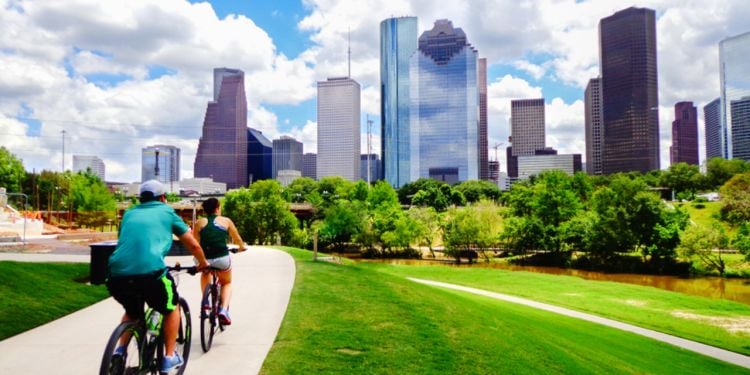
Accommodation in Houston
New York City and Los Angeles are often considered America's melting pots, but Houston should join them on that list. With a population of 2.3 ...
Leisure, Culture, and Things To Do in Houston
Houston's cultural landscape rivals that of any major world city, with a thriving arts scene, diverse entertainment options, and extensive green spaces. The city's Museum District contains 19 museums within a 1.5-mile radius, many offering free admission days. Professional sports teams, live music venues, and year-round festivals provide endless entertainment opportunities for residents of all ages and interests.
Museums and Cultural Attractions
The Museum of Fine Arts, Houston ranks among the largest art museums in the United States, housing over 70,000 works spanning 6,000 years of history. Free admission is available on Thursdays. The Houston Museum of Natural Science draws over two million visitors annually, featuring a planetarium, butterfly center, and rotating exhibitions. The Menil Collection offers free admission to view its impressive holdings of surrealist art, African artifacts, and contemporary works.
Space enthusiasts should visit Space Center Houston, the official visitor center of NASA's Johnson Space Center, where guests can see authentic spacecraft, moon rocks, and mission control facilities. The Children's Museum Houston provides interactive exhibits for families, with free admission on Thursday evenings.
Parks and Outdoor Activities
Hermann Park spans 445 acres and includes the Houston Zoo, a Japanese garden, paddle boats, and a miniature train. Buffalo Bayou Park offers over 160 acres of trails, public art, and kayak rentals along the bayou waterway. Memorial Park provides 1,500 acres of forests, trails, and recreational facilities, including a golf course and tennis center. The Houston Zoo houses over 6,000 animals and offers special evening events including Zoo Lights during the holiday season.
Sports and Entertainment
Houston supports major professional sports teams including the Houston Texans (NFL), Houston Astros (MLB), Houston Rockets (NBA), and Houston Dynamo (MLS). The Theater District downtown ranks as the second-largest in the United States, hosting performances by the Houston Grand Opera, Houston Symphony, and Houston Ballet. Live music venues range from intimate clubs to large arenas, with the annual Houston Livestock Show and Rodeo drawing over 2.5 million visitors each March.
Sources: Visit Houston, Museum of Fine Arts, Houston
Daily Life in Houston
Daily life in Houston revolves around the automobile, as the city's sprawling layout makes driving the primary mode of transportation for most residents. However, the city offers a rich tapestry of cultural experiences, diverse cuisine, and outdoor activities that make everyday living enjoyable. Houston's subtropical climate brings hot, humid summers and mild winters, with temperatures regularly exceeding 90°F (32°C) from May through September.
Getting Around
The Metropolitan Transit Authority (METRO) operates bus services, a 22.7-mile light rail system with three lines, and park-and-ride facilities. METRORail serves key areas including downtown, the Museum District, Texas Medical Center, and NRG Park. Monthly transit passes cost approximately $40-$90 depending on service type. However, car ownership remains essential for most residents given the city's size and limited public transit coverage.
Major freeways including Interstate 10, Interstate 45, and Loop 610 connect Houston's neighborhoods, though traffic congestion during rush hours can be significant. Ride-sharing services like Uber and Lyft operate throughout the metropolitan area. Gas prices in Houston typically run around $2.65 per gallon, below the national average.
Lifestyle and Culture
Houston's diversity shapes its food scene, with exceptional options ranging from Tex-Mex and barbecue to Vietnamese, Indian, and Nigerian cuisines. The city's Chinatown, located in the Bellaire area, offers authentic Asian dining and grocery options. Supermarket chains include H-E-B, Kroger, and Whole Foods, with international grocery stores throughout the city.
The city experiences hurricane season from June through November, requiring residents to maintain emergency preparedness plans. Flooding occurs regularly during heavy rains, making flood insurance and neighborhood research important considerations for housing decisions.
Sources: Houston METRO, City of Houston
Cost of Living in Houston
Houston offers one of the most affordable costs of living among major U.S. metropolitan areas, with overall expenses running approximately 6% below the national average. The absence of state income tax provides additional financial benefits, though property taxes in Harris County average around 2.13%. The combined sales tax rate in Houston is 8.25%. These factors make Houston particularly attractive for professionals seeking to maximize their earning potential.
Monthly Budget: Single Person
A single person in Houston can expect to spend between $1,960 and $3,045 per month excluding rent. The following table breaks down typical monthly expenses:
Rent (1-bedroom, city center) | $1,350 - $1,500 |
Utilities (electricity, water, internet) | $245 - $300 |
Groceries | $350 - $450 |
Transportation (car/gas/insurance) | $400 - $600 |
Health Insurance | $326 - $610 |
Dining/Entertainment | $300 - $500 |
Total (Single Person) | $2,971 - $3,960 |
Monthly Budget: Family of Four
A family of four typically requires a larger budget to maintain a comfortable lifestyle in Houston:
Rent (3-bedroom, suburbs) | $1,800 - $2,500 |
Utilities | $350 - $450 |
Groceries | $800 - $1,000 |
Transportation (2 cars) | $800 - $1,200 |
Health Insurance (family) | $1,200 - $1,800 |
Childcare/School Fees | $575 - $2,700 |
Dining/Entertainment | $500 - $800 |
Total (Family of Four) | $6,025 - $10,450 |
In Short
Houston welcomes newcomers with open arms, offering a unique combination of economic opportunity, cultural richness, and affordable living that few cities can match. Whether you're drawn by career prospects in energy and healthcare, seeking quality education for your family, or simply looking for a diverse and welcoming community, Houston delivers on multiple fronts. The city's lack of state income tax, reasonable housing costs, and world-class amenities create an environment where professionals can build meaningful careers while maintaining a high quality of life. From the museums of Montrose to the suburban comfort of Katy, Houston provides options for every lifestyle preference.
Ready to connect with others who've made the move? Join the Houston expat forum on Expat.com to ask questions, share experiences, and build your network in Space City.
We do our best to provide accurate and up to date information. However, if you have noticed any inaccuracies in this content, please contact us.