Living in Buenos Aires: the ultimate expat guide
Everything you need to know for a successful life in Buenos Aires.
Buenos Aires, the vibrant capital of Argentina, is a sprawling metropolis that seamlessly blends European elegance with Latin American warmth. Home to approximately 3.1 million residents in the city proper and over 15 million in the greater metropolitan area, this cosmopolitan hub offers expats a rich cultural tapestry, affordable living costs, and an exceptional quality of life. Often called the Paris of South America, Buenos Aires captivates newcomers with its tree-lined boulevards, stunning Belle Époque architecture, world-class cuisine, and legendary nightlife that pulses until dawn.
5 Good Reasons to Move to Buenos Aires
- Affordable cost of living – Your savings stretch significantly further here, with rent, dining, and entertainment costing a fraction of North American or European prices.
- Rich cultural scene – From world-renowned opera at Teatro Colón to tango milongas in San Telmo, the city offers endless artistic and cultural experiences.
- Excellent healthcare – Argentina provides free public healthcare to all residents, including expats, with high-quality private options available at reasonable costs.
- Welcoming expat community – A thriving international community, particularly in neighborhoods like Palermo and Recoleta, makes settling in easier.
- Four-season climate – Enjoy mild winters and warm summers with average temperatures ranging from 11°C (52°F) in July to 25°C (77°F) in January.
Working in Buenos Aires: Opportunities and Employment
Buenos Aires serves as Argentina's economic powerhouse, generating approximately 40% of the nation's GDP. The city offers diverse employment opportunities across multiple sectors, though expats should be prepared for a competitive job market and understand local work permit requirements before relocating.
Key Industries and Job Market
The city's economy is driven by services, technology, finance, and creative industries. Buenos Aires has emerged as a major tech hub in Latin America, with numerous startups and international tech companies establishing operations here. The IT sector actively seeks skilled professionals, particularly software developers, data analysts, and digital marketing specialists. Other strong sectors include tourism and hospitality, education (especially English teaching), media and advertising, and financial services. Many expats find opportunities with multinational corporations or work remotely as digital nomads, taking advantage of the favorable exchange rate.
Work Permits and Employment Regulations
Foreign nationals require a Temporary Residence Visa with Work Permit (23A visa) to work legally in Argentina. The employer must be registered with the Dirección Nacional de Migraciones and the RENURE (National Registry of Foreign Applicants). The visa is initially granted for one year and is renewable. After three years of temporary residency, expats can apply for permanent residency. Citizens of MERCOSUR countries (Brazil, Uruguay, Paraguay, Bolivia, Chile, Colombia, Ecuador, Peru, Venezuela) benefit from simplified procedures under regional agreements.
The following table presents key employment indicators for Buenos Aires and Argentina:
Unemployment rate (Greater Buenos Aires, Q4 2024) | 7.1% |
Average monthly net salary | USD 784 |
Top employment sectors | Services, Technology, Finance, Tourism |
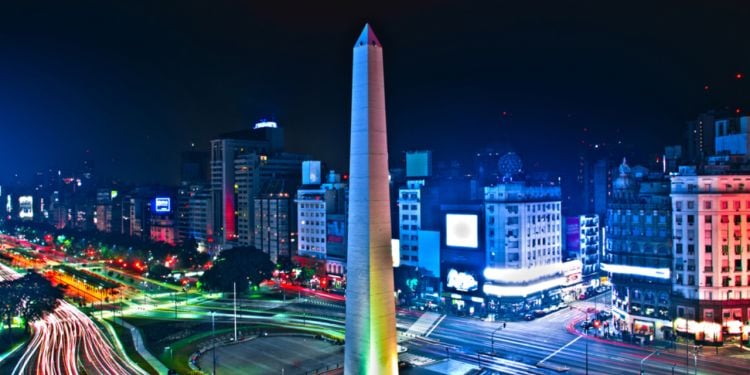
Working in Buenos Aires
Argentina's capital, Buenos Aires, is the country's loci for all things political and economic. ...
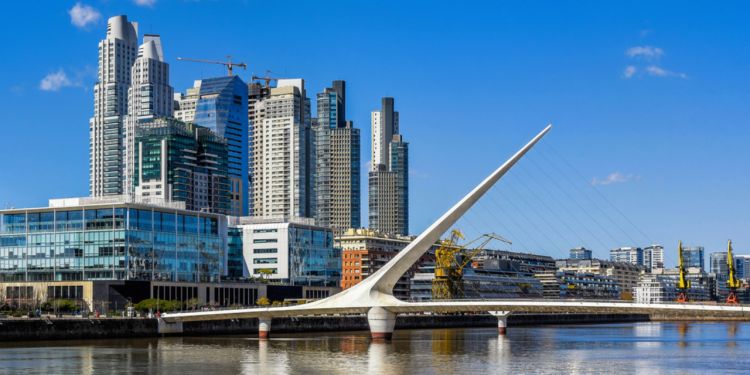
The labour market in Buenos Aires
The capital, Buenos Aires, has quite a changing economy. Its labour market is open to expatriates ...

The work culture in Buenos Aires
Argentines, don't say Argentinians, are friendly once you get to know them and they get to know ...
Higher Education in Buenos Aires: Universities and Programs
Buenos Aires is a leading educational hub in Latin America, home to prestigious universities that attract students from around the world. The city offers an impressive range of undergraduate and postgraduate programs, many with pathways for international students seeking quality education at affordable costs.
Top Universities for International Students
The University of Buenos Aires (UBA), founded in 1821, consistently ranks among the top universities in Latin America and globally. UBA is a public institution offering free undergraduate education to both Argentine citizens and foreigners. The university enrolls over 328,000 students across 13 faculties, with approximately 4% of undergraduates and 15% of postgraduates being international students. UBA has produced four Nobel Prize laureates and 17 Argentine presidents. Other notable institutions include Universidad Austral, Pontificia Universidad Católica Argentina (UCA), and Universidad de San Andrés, which offer programs in English and have strong international reputations.
Admission Process and Tuition
To enroll at UBA, international students must complete the Ciclo Básico Común (CBC), a one-year foundation program required before entering specific degree programs. Required documents include a valid passport, secondary school certificate (validated by the Argentine Ministry of Education), and proof of Spanish proficiency. While undergraduate programs at UBA are free, postgraduate programs and private universities charge tuition fees ranging from USD 1,000 to USD 20,000 annually depending on the institution and program. The Centro Universitario de Idiomas (CUI) and Laboratorio de Idiomas at UBA offer Spanish courses for international students.
Sources: UBA International Office, Ministry of Education Argentina
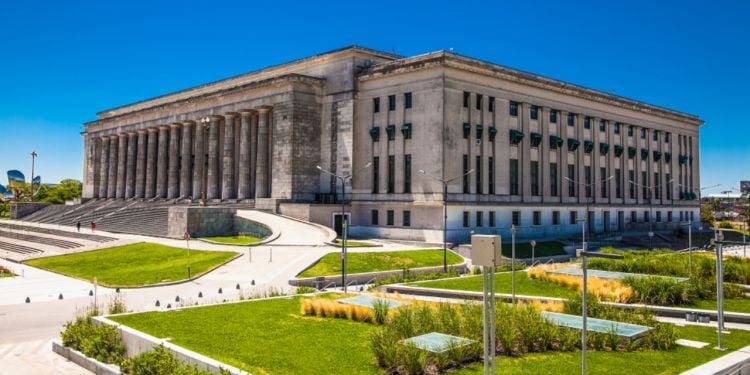

Retirement in Buenos Aires: A Guide for Pensioners
Buenos Aires has become an increasingly attractive destination for retirees seeking an affordable, culturally rich lifestyle. Argentina offers specific visa programs for pensioners, excellent healthcare access, and a welcoming environment that makes it an ideal place to enjoy retirement years.
Retirement Visa (Pensionado Visa)
The Pensionado Visa (also known as the Retirement Visa) allows foreign retirees to establish residency in Argentina. To qualify, applicants must demonstrate a minimum monthly pension or retirement income of approximately USD 1,500–2,000 (equivalent to five times Argentina's minimum wage). The visa is initially granted for one year and is renewable for up to three years. After two years of continuous residency, retirees may apply for permanent residency and eventually citizenship. Required documents include proof of pension income, health insurance coverage, a clean criminal record certificate (apostilled), and a valid passport. Pensionado Visa holders can start a business or work independently but cannot work as employees of Argentine companies.
Healthcare and Benefits for Retirees
Argentina provides free public healthcare to all residents, including expats. The PAMI (Programa de Atención Médica Integral) is the country's largest elderly care program, serving over 3.6 million retirees. Public hospitals in Buenos Aires maintain high standards with modern equipment and qualified staff. Most expat retirees opt for private health insurance plans, which cost approximately USD 100–300 monthly and provide access to excellent private clinics. Argentina does not tax pension income received from foreign sources, making it particularly advantageous for retirees living on international pensions. Popular neighborhoods for retirees include Recoleta for its elegance and proximity to healthcare facilities, and Belgrano for its quieter, family-friendly atmosphere.
Sources: Argentina National Migration Office, PAMI Official Website
Schools for Expat Children: Education Options in Buenos Aires
Buenos Aires offers excellent schooling options for expat families, from bilingual local schools to fully international institutions following British, American, or International Baccalaureate curricula. With over 32 international schools in the metropolitan area, parents can find programs that match their children's educational needs and future plans.
International and Bilingual Schools
The most popular choices for expat families include Asociación Escuelas Lincoln (the American International School), which offers an American curriculum from preschool through grade 12 and is accredited by US standards. Annual tuition ranges from USD 6,470 for kindergarten to USD 19,890 for high school grades. British curriculum schools such as St. Andrew's Scots School, Belgrano Day School, and Northlands School offer IGCSE and A-Level programs. For families seeking the International Baccalaureate, schools like St. George's College and Northlands provide IB Primary Years and Diploma programs. Most international schools in Buenos Aires are bilingual (English-Spanish), with an average class size of 21 students.
Enrollment and Considerations
Admission to top international schools is competitive, and many have waiting lists. It is advisable to begin the application process 6-12 months before the intended start date. The Argentine school year runs from March to December, which differs from the Northern Hemisphere calendar. Required documents typically include birth certificate, previous school records, immunization records, and passport copies. Many schools offer entrance assessments and interviews. Private bilingual schools offer more affordable alternatives, with monthly fees ranging from USD 200 to USD 600. Public schools in Argentina are free but conduct classes entirely in Spanish.
Sources: US Department of State – Lincoln School Fact Sheet, International Schools Database
Housing in Buenos Aires: Neighborhoods and Rental Guide
Finding the right neighborhood is essential for a successful relocation to Buenos Aires. The city offers diverse housing options, from modern high-rise apartments to charming historic buildings, with rental prices considerably lower than major cities in North America or Europe. Understanding the local rental market and popular expat areas will help you find your ideal home.
Popular Neighborhoods for Expats
Palermo is the largest and most popular neighborhood among expats, accounting for nearly 28% of the foreign resident population. Divided into sub-areas including Palermo Soho, Palermo Hollywood, and Palermo Chico, it offers trendy cafés, restaurants, parks, and vibrant nightlife. Recoleta is an upscale, elegant district with European-style architecture, cultural landmarks, and tree-lined streets, home to about 18% of expats. Belgrano, popular among families (about 10% of expats), provides a quieter, residential atmosphere with excellent schools and green spaces. Other notable areas include San Telmo for its bohemian charm and antique markets, and Villa Crespo for a more authentic, affordable experience.
Rental Prices and Process
Rental prices vary significantly by neighborhood and apartment size. The following table shows average monthly rents in Buenos Aires:
1-bedroom apartment (city center) | USD 500–1,000 |
1-bedroom apartment (outside center) | USD 350–600 |
3-bedroom apartment (city center) | USD 800–2,000 |
3-bedroom apartment (outside center) | USD 600–1,500 |
Many landlords prefer payment in US dollars due to currency fluctuations. Standard lease terms are two years for long-term rentals. Popular platforms for finding housing include Zonaprop, Argenprop, and Mercado Libre. Short-term furnished rentals are available through platforms like Airbnb, typically costing USD 600–900 monthly.
Sources: Numbeo 2025, Argentina Expat Survey 2024
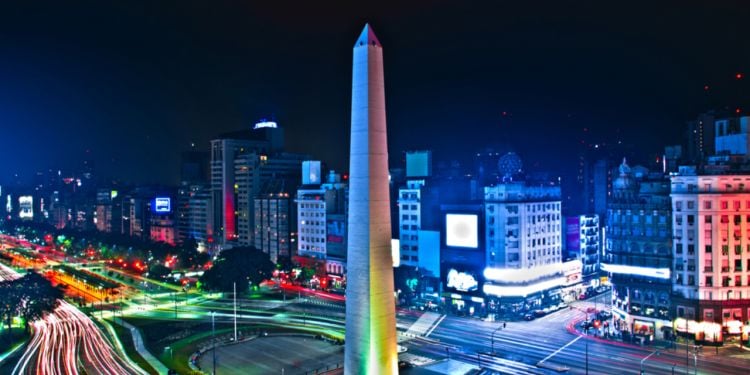
Accommodation in Buenos Aires
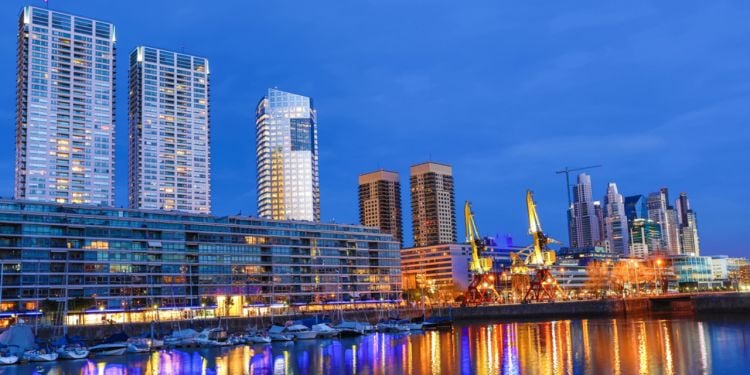
Buenos Aires, Argentina's capital city, welcomes thousands of expatriates from across the globe ...
Buying property in Buenos Aires
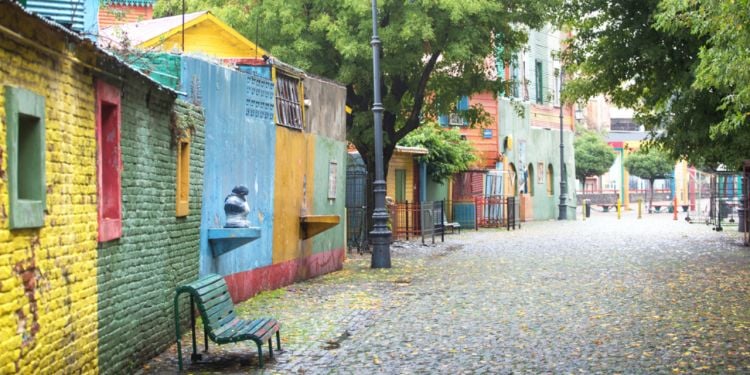
Argentina is a country with a broad blend of vibrant history and modern life. While the nation ...
Popular neighbourhoods in Buenos Aires
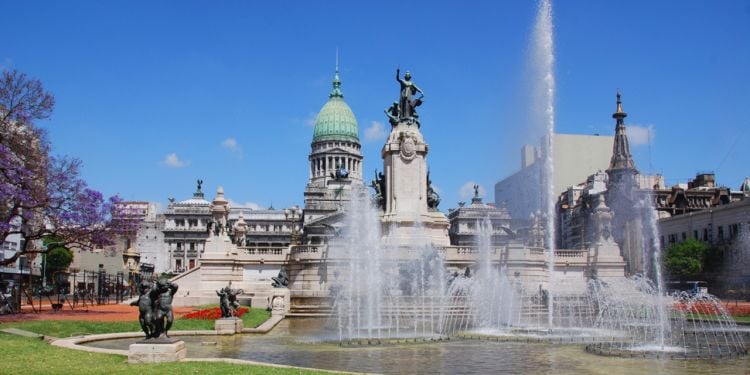
Here are some things to consider when picking a neighborhood in the city. First, know Buenos Aires ...
Leisure and Culture: Things to Do in Buenos Aires
Buenos Aires pulses with cultural energy, offering endless opportunities for entertainment, artistic exploration, and social connection. From world-class museums and historic theaters to vibrant nightlife and outdoor spaces, the city caters to every interest and lifestyle.
Museums, Arts, and Cultural Attractions
The Teatro Colón, inaugurated in 1908, is considered one of the finest opera houses in the world, renowned for its exceptional acoustics and stunning architecture. Guided tours run hourly, or attend a ballet or opera performance for an unforgettable experience. MALBA (Museo de Arte Latinoamericano de Buenos Aires) houses an impressive collection of Latin American art, including works by Frida Kahlo and Diego Rivera. The Museo Nacional de Bellas Artes offers free admission and features European masters alongside Argentine artists. Recoleta Cemetery, the final resting place of Eva Perón, is an architectural marvel with ornate mausoleums that tell the story of Argentine history. The San Telmo Sunday Market transforms the historic neighborhood into a vibrant street fair with antiques, crafts, and live tango performances.
Nightlife, Sports, and Outdoor Activities
Buenos Aires boasts legendary nightlife, with clubs typically opening around 2 AM and continuing until sunrise. Popular areas include Palermo for trendy bars and clubs, and San Telmo for tango milongas where locals dance until dawn. Football (soccer) is a religion here; attending a Boca Juniors match at La Bombonera or a River Plate game at El Monumental is an electrifying experience. The Bosques de Palermo offers over 400 hectares of green space perfect for running, cycling, or picnicking. The Japanese Garden, Botanical Garden, and Ecological Reserve provide peaceful escapes from urban life. Weekend activities often include visiting Tigre and the river delta, just 30 minutes from the city center.
Sources: Buenos Aires Tourism Official, Teatro Colón Official Website
Things to do in Buenos Aires alone, with family and friends or with a partner
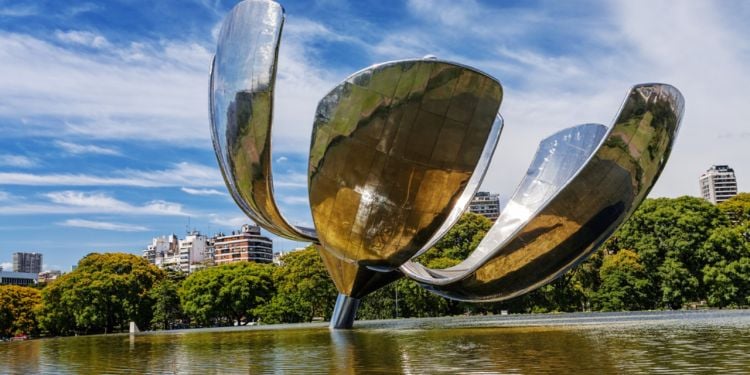
Buenos Aires has something for everyone to do, especially when they have friends or family coming ...

Eating out in Buenos Aires
Tango, passion and good air (Buenos Aires), the best part may be the culture, people and cuisine. ...
Things to do on weekdays in Buenos Aires
The city rarely sleeps, and there are plenty of chances to explore weekend fierias and 2- and 3-day ...
Daily Life in Buenos Aires: Transportation and Lifestyle
Daily life in Buenos Aires moves to its own rhythm, with late dinners, lively cafés, and a strong emphasis on social connections. The city offers excellent public transportation, making it easy to navigate without a car, while its walkable neighborhoods encourage exploration on foot.
Getting Around: Public Transportation
Buenos Aires has an extensive and affordable public transport network. The Subte (metro) operates six lines connecting major areas of the city, running from approximately 5:30 AM to 11:30 PM on weekdays. A single ride costs around USD 0.70 with a registered SUBE card. The SUBE card (Sistema Único de Boleto Electrónico) is essential for all public transport and can be purchased at metro stations and kiosks for about USD 1. Since January 2025, credit card payments are also accepted on the Subte. Over 150 bus lines (colectivos) provide comprehensive coverage across the city, operating 24/7. Taxis are readily available, identifiable by their black and yellow colors, and use meters. Ride-sharing apps like Uber and Cabify operate widely and offer affordable alternatives. Monthly transport costs for regular users average around USD 20–30.
Lifestyle and Cultural Habits
Porteños (Buenos Aires residents) typically eat dinner late, often around 9–10 PM, and nightlife rarely begins before midnight. The café culture is central to daily life, with locals spending hours over coffee and medialunas (croissants). Sundays are traditionally family days, with many shops closed but parks filled with picnickers. The city is generally safe in tourist and residential areas, though standard precautions apply. Spanish is the primary language, but English is increasingly common in business and tourist areas. The welcoming nature of Argentines makes integration easier, with language exchange meetups and expat groups providing opportunities to connect.
Sources: Buenos Aires Ciudad Official Tourism, SUBE Official Website
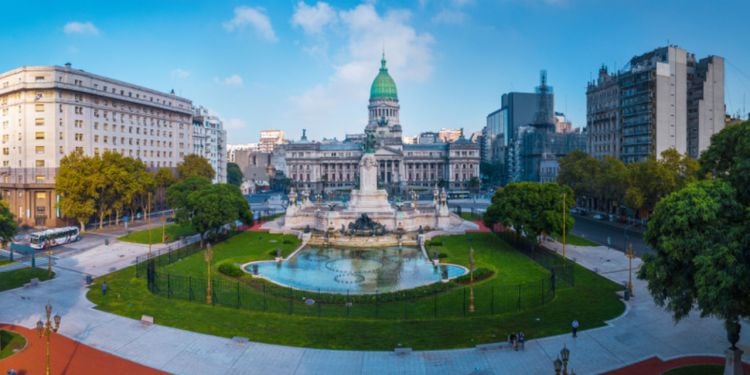
Discovering Buenos Aires
With waterfalls in the north to the Southern Provinces where glaciers calve freely, Argentina has ...

Developing your social circle in Buenos Aires
Being an expat can be fun and exciting. New sights. New smells. New customs and traditions and ...
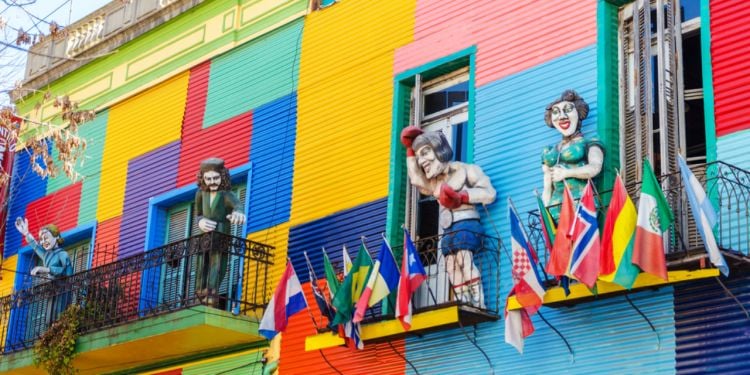
Adjusting to the local culture in Buenos Aires
When some people tell their friends they are moving to Argentina, "Say what?" is the ...
Cost of Living in Buenos Aires: Budget Planning
Buenos Aires offers exceptional value for expats, with living costs significantly lower than most Western cities. However, Argentina's economic situation and currency fluctuations require careful financial planning. Understanding typical expenses will help you budget effectively for your move.
Monthly Budget for a Single Person
The following table outlines typical monthly expenses for a single person living in Buenos Aires:
Category | Budget (USD) | Comfortable (USD) |
Rent (1-bedroom) | 400–500 | 700–1,000 |
Utilities (electricity, water, internet) | 80–120 | 100–150 |
Groceries | 150–200 | 250–350 |
Transportation | 20–40 | 50–100 |
Dining out & entertainment | 100–200 | 300–500 |
Health insurance (private) | 40–80 | 100–200 |
Total | 790–1,140 | 1,500–2,300 |
Monthly Budget for a Family of Four
Families should expect higher costs, particularly for housing and education:
Category | Budget (USD) | Comfortable (USD) |
Rent (3-bedroom) | 800–1,200 | 1,500–2,500 |
Utilities | 130–180 | 180–250 |
Groceries | 400–500 | 600–800 |
Transportation | 50–100 | 150–250 |
International school (2 children) | 800–1,500 | 2,000–3,500 |
Health insurance (family) | 150–250 | 300–500 |
Total | 2,330–3,730 | 4,730–7,800 |
In Short
Buenos Aires offers an exceptional blend of European elegance and Latin American warmth at a fraction of the cost of major Western cities. With its world-class cultural scene, excellent healthcare system, diverse neighborhoods, and welcoming locals, the city provides everything expats need to build a fulfilling life abroad. Whether you're drawn by career opportunities in the growing tech sector, seeking quality education for your family, or planning a vibrant retirement, Buenos Aires delivers on every front. The city's café culture, legendary nightlife, and passion for life create an atmosphere that quickly transforms newcomers into enthusiastic porteños. Ready to start your Buenos Aires adventure? Join the Expat.com Buenos Aires forum to connect with fellow expats, ask questions, and get firsthand advice from those who have already made the move.
We do our best to provide accurate and up to date information. However, if you have noticed any inaccuracies in this content, please contact us.


News & testimonies
Jerry in Buenos Aires: "I like pretty much everything about Argentina"
Jerry moved to Buenos Aires last year after marrying his Argentine wife. He works as a freelance photojournalist, which makes him travel extensively. He shares with us his relocation in the country...

Noruega en Argentina
My name is Eirin, I am originally from Oslo, Norway and I currently live on an estancia in Cañuelas, in the province of Buenos Aires, one hour from the city of Buenos Aires. I moved here from Washington, DC, where I had lived for eight years.

Cherie: "The tango of Buenos Aires is unique"
Originally from California, Cherie lived in France and Mexico before settling in Argentina in 2003. She now lives her passion for dance in Buenos Aires, giving tango classes and enjoying Argentinian way of life...

Argentine tax reform: Monotech regime could benefit remote workers saving earnings in USD
The Argentine Congress might soon pass a new tax bill that will be a game-changer for remote workers who earn money from abroad. Until now, to legally keep their earnings in an Argentine bank, they had to convert them into pesos. The depreciation of the peso and lack of regularization of freelance work has pushed the state to come up with a bill that would allow these workers to leave up to US$30,000 unconverted in their Argentine account. The Congress's lower house has already approved this bill, but the upper house's vote is pending.